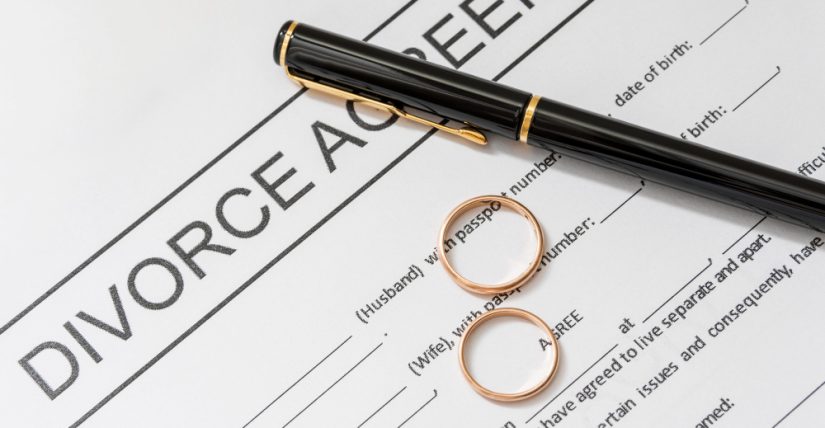
An uncontested divorce can be a practical option for spouses who agree on the major terms of ending their marriage. Instead of asking the court to decide every issue, both parties work together to resolve matters such as property division, debt responsibility, child custody, child support, and possible alimony.
For couples in Media and other Delaware County communities, an uncontested divorce may offer a more organized, private, and cost-effective path forward. While divorce is never easy, reaching an agreement can reduce conflict and allow both spouses to focus on rebuilding their lives.
What Is an Uncontested Divorce?
An uncontested divorce means both spouses agree on the essential terms of the divorce. This does not always mean the process is effortless, but it usually means there are no major disputes that require litigation.
Common Issues That Must Be Resolved
Before an uncontested divorce can move forward smoothly, spouses should agree on issues such as:
- How marital property will be divided
- Who will be responsible for marital debts
- Whether either spouse will receive support
- How parenting time will be scheduled
- How child-related expenses will be handled
- What will happen to the marital home
- How retirement accounts or savings will be addressed
When these issues are handled clearly, the divorce process can often move more efficiently.
Lower Conflict Between Spouses
One of the biggest benefits of an uncontested divorce is reduced conflict. Court battles can increase stress, create resentment, and make communication more difficult. When both spouses are willing to cooperate, the process is usually calmer.
Why Lower Conflict Matters
Reduced conflict can be especially important when children are involved. Parents who avoid unnecessary legal battles may find it easier to maintain a workable co-parenting relationship after divorce. This can help children adjust more smoothly and feel less caught between their parents.
Even when emotions are difficult, an uncontested process encourages both parties to focus on practical solutions rather than blame.
More Control Over the Outcome
In a contested divorce, unresolved issues may be decided by a judge. While the court will apply the law, the outcome may not fully reflect either spouse’s preferences. An uncontested divorce gives spouses more control because they create their own agreement.
Flexible Agreements
Spouses may be able to develop terms that fit their specific lives. For example, they may create a parenting schedule based on work hours, school routines, or travel needs. They may also agree on how to divide personal property, sell a home, or manage shared debts.
This flexibility can be difficult to achieve when the court must make decisions after a dispute.
Potential Cost Savings
An uncontested divorce is often less expensive than a contested divorce because it usually requires fewer court appearances, less discovery, and fewer disputes. When spouses agree on the major issues, there may be less need for prolonged litigation.
Why Costs May Be Lower
Costs may be reduced because the process may involve:
- Less time preparing for hearings
- Fewer disputes over documents
- Shorter negotiations
- Less formal litigation
- More efficient drafting of agreements
However, it is still important to prepare documents correctly. Mistakes in paperwork or vague agreement terms can create future problems.
A Faster Divorce Process
While timing depends on court schedules and Pennsylvania requirements, uncontested divorces often move faster than contested cases. When both spouses cooperate, there are fewer delays caused by disputes, missed responses, or repeated hearings.
Factors That Can Affect Timing
The timeline may depend on:
- Whether both spouses sign required documents
- Whether financial issues are already resolved
- Whether custody terms are agreed upon
- Court processing times
- Accuracy of the filed paperwork
- Required waiting periods under Pennsylvania law
A faster process can help both spouses move forward with less uncertainty.
Greater Privacy
Divorce litigation can bring personal details into court filings and hearings. Financial disagreements, parenting conflicts, and personal disputes may become part of the legal process. An uncontested divorce can help keep many private matters out of open conflict.
Protecting Personal Information
Although divorce still requires legal filings, spouses who reach agreements outside of court may be able to limit the amount of personal conflict discussed in formal proceedings. This can be valuable for professionals, parents, business owners, or anyone who wants to avoid unnecessary exposure of private family matters.
Less Emotional Stress
Divorce is emotionally difficult even when both spouses agree. However, an uncontested divorce can reduce some of the pressure that comes from uncertainty, conflict, and court involvement.
Emotional Benefits
A more cooperative process may help spouses:
- Communicate more respectfully
- Avoid repeated arguments
- Focus on practical decisions
- Reduce stress for children
- Maintain a healthier post-divorce relationship
- Move forward sooner
This does not mean every conversation will be easy. It means both spouses are choosing a process that prioritizes resolution over conflict.
Helpful for Co-Parenting
When parents can resolve divorce terms respectfully, they may be better prepared to co-parent after the divorce. Custody and parenting arrangements often require ongoing communication, especially as children’s needs change.
Co-Parenting Advantages
An uncontested divorce may support better co-parenting by helping parents establish:
- Clear schedules
- Holiday arrangements
- Transportation responsibilities
- Decision-making rules
- Communication expectations
- Agreements about school and medical issues
Clear terms can reduce misunderstandings and help both parents know what to expect.
Avoiding Common Mistakes
Even in an uncontested divorce, spouses should avoid assuming that a verbal agreement is enough. Divorce agreements should be written clearly and should address important details.
Issues That Should Be Clearly Written
A strong agreement may need to include:
- Who pays specific debts
- What happens if the home is sold
- How retirement accounts are divided
- Whether support will be paid
- How tax-related issues are handled
- How custody exchanges will work
- How future disputes will be resolved
Working with an Uncontested Divorce Lawyer Media, PA can help ensure the agreement is complete, enforceable, and aligned with Pennsylvania divorce requirements.
When an Uncontested Divorce May Not Be Best
An uncontested divorce is not right for every situation. If one spouse is hiding assets, pressuring the other, refusing to disclose financial information, or creating safety concerns, a more protective legal approach may be necessary.
Warning Signs to Consider
An uncontested divorce may not be appropriate when there is:
- Domestic violence or intimidation
- Hidden income or assets
- Major power imbalance
- Disagreement about custody
- Pressure to sign quickly
- Confusion about finances
- Complex business or property issues
In these situations, legal guidance is especially important before signing anything.
Getting Legal Help With an Uncontested Divorce
Even when spouses agree, legal documents must be prepared correctly. A lawyer can help review settlement terms, explain rights, draft required paperwork, and make sure the process is handled properly.An Uncontested Divorce Lawyer Media, PA can also help prevent small mistakes from becoming future disputes. With the right preparation, an uncontested divorce can be a more efficient and respectful way to end a marriage while protecting each spouse’s future.



Leave A Comment