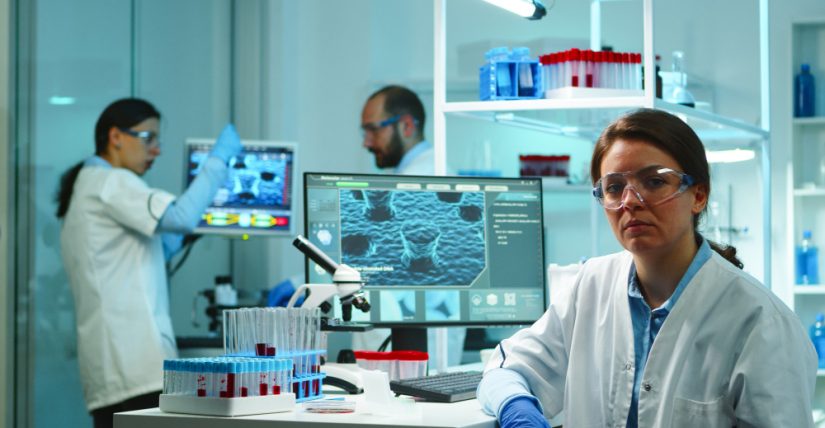
Artificial intelligence is becoming one of the subtle yet transformative forces in medical and pharmaceutical manufacturing. In an industry where precision, consistency, and regulatory compliance define success, AI is shifting from a promising technology to an integral part of production.
Manufacturing environments constantly face variability. Ingredients behave differently from batch to batch, environmental conditions such as humidity and temperature fluctuate, and manual tasks introduce natural inconsistencies. AI helps stabilize these moving pieces. Rather than replacing human skill or insight, it supports teams by providing real-time interpretation of complex data and guiding operations toward more dependable outcomes.
Systems That Learn and Improve Alongside Your Workflow
AI’s greatest strength is its ability to adapt over time. Traditional automation relies on fixed programming, while machine learning technologies continually update their understanding as new data is collected. This ongoing improvement allows AI to become more accurate at detecting emerging patterns and making useful recommendations.
Its advantages are especially clear in equipment monitoring and process control. AI-powered systems can recognize early signs of machinery strain or component wear, prompting timely maintenance before failures occur. When production parameters begin to shift, AI can alert operators or make adjustments automatically to maintain stability. These capabilities help reduce downtime, protect batch uniformity, and significantly cut material waste.
AI also enhances supply chain resilience. By analyzing global trends, purchasing habits, and inventory data together, it can forecast disruptions and support better planning across procurement and distribution.
Advancing Innovation While Supporting Regulatory Compliance
Pharmaceutical manufacturing operates under strict oversight, and any new technology must support compliance rather than complicate it. AI assists by simplifying complex regulatory tasks. Natural language processing tools can break down detailed regulatory documents, highlight essential information, and help teams stay aligned with current standards.
Automated traceability and data logging ensure that all production steps are recorded consistently, which streamlines audits and reinforces confidence in compliance. Instead of slowing progress, AI helps organizations work faster while maintaining full accountability.
As AI continues to advance, its role in medical manufacturing will only deepen. Its purpose is not to replace human professionals, but to create a smarter, more adaptable production environment that strengthens efficiency, reliability, and long-term performance.
For additional insight into how AI is redefining standards in pharmaceutical production, explore the visual guide accompanying this article from Advanced Technology Services, a provider of machine health monitoring systems.




Leave A Comment